Buy raahm.com ?
We are moving the project
raahm.com .
Are you interested in purchasing the domain
raahm.com ?
domain@kv-gmbh.de · 0541-91531010
Buy raahm.com ?
What causes fear of dishcloths?
The fear of dishcloths, known as Spongiophobia, can be caused by a variety of factors. Some individuals may have had a traumatic experience involving dishcloths, such as being startled by one or having a negative association with them. Others may have a general fear of germs or contamination, leading them to fear using or touching dishcloths. Additionally, some people may have a sensory aversion to the texture or smell of dishcloths, which can contribute to their fear. Overall, the fear of dishcloths can stem from a combination of past experiences, phobias, and sensory sensitivities. **
How do you wash dishcloths and sponges?
To wash dishcloths and sponges, you can either hand wash them or put them in the washing machine with hot water and detergent. If you choose to hand wash them, use hot, soapy water and scrub them thoroughly before rinsing and allowing them to air dry. If using the washing machine, make sure to use the hottest water setting and a small amount of bleach to kill any bacteria. It's important to wash dishcloths and sponges regularly to prevent the spread of germs and bacteria in the kitchen. **


Similar search terms for Dishcloths
Top-Angebote
Products related to Dishcloths:
-
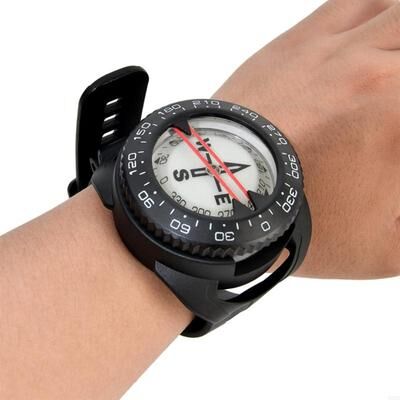
Uplifted Trends Premium Wrist Compass Survival Watch For Outdoor Adventure & Hiking Premium Wrist Compass Survival Watch For Outdoor Adventure & HikingNever lose your way again with the wrist compass survival watch built for adventurers and explorers. Designed for hikers, campers, and outdoor enthusiasts, this durable survival watch keeps you on track no matter where the journey takes you. Its...39,97 $*Shipping: 0,00 $Secure redirect to the provider
-
ModernMart Adventure Waterproof Compass Watch For Hiking Navigation And Outdoor Survival Adventure Waterproof Compass Watch For Hiking Navigation And Outdoor SurvivalNever lose your sense of direction, even in the wild. This compass watch is built for explorers, hikers, and outdoor enthusiasts who need reliable navigation on the go. Designed as a rugged outdoor survival watch, it combines precision direction...79,97 $*Shipping: 0,00 $Secure redirect to the provider
-
Multisell Products Hub Outdoor Clip On Compass Watch Luminous Hiking Carabiner Survival Gear Outdoor Clip On Compass Watch Luminous Hiking Carabiner Survival GearNever lose your direction when adventure calls. This clip on compass watch is designed for outdoor enthusiasts who demand reliability, convenience, and smart functionality in one compact tool. Built with durable alloy and a luminous display, it...54,97 $*Shipping: 0,00 $Secure redirect to the provider


-
How do I properly clean microfiber dishcloths?
To properly clean microfiber dishcloths, start by rinsing them in hot water to remove any food particles and debris. Then, wash them in the washing machine with a mild detergent on a gentle cycle. Avoid using fabric softener or bleach, as these can damage the microfiber material. After washing, air dry the dishcloths or tumble dry on low heat. It's important to regularly clean microfiber dishcloths to prevent the buildup of bacteria and odors. **
-
What can be done about smelly kitchen dishcloths?
To address smelly kitchen dishcloths, it's important to regularly wash them with hot water and detergent to remove any built-up bacteria and food particles. Additionally, allowing the dishcloths to fully dry between uses can help prevent odor-causing bacteria from thriving. Consider using a disinfectant or vinegar solution to soak the dishcloths before washing to further eliminate odors. Finally, replacing dishcloths regularly can also help prevent persistent smells. **
-
Can you wash towels, dishcloths, underwear, and socks together in one drum?
It is generally recommended to wash towels, dishcloths, underwear, and socks separately to prevent the transfer of bacteria and germs. Towels and dishcloths can harbor more bacteria and should be washed separately from personal items like underwear and socks. Washing these items together may not effectively clean and sanitize them. It is best to follow the care instructions on the garment labels and wash similar items together for the best results. **
-
Can towels, dishcloths, underwear, and socks be washed together in one drum?
It is not recommended to wash towels, dishcloths, underwear, and socks together in one drum. Towels can produce a lot of lint, which can stick to the other items. Underwear and socks may also contain bacteria that you wouldn't want to transfer to your towels or dishcloths. It's best to wash these items separately to ensure they are cleaned effectively and hygienically. **

Can mop heads be washed in the washing machine and also dishcloths?
Yes, mop heads can typically be washed in the washing machine. It's best to check the care label on the mop head to ensure it is machine washable. Dishcloths can also be washed in the washing machine, but it's important to wash them separately from other laundry items to prevent cross-contamination. Using hot water and a disinfecting laundry detergent can help ensure that both mop heads and dishcloths are thoroughly cleaned. **
How often should towels be replaced in the bathroom and how often should dishcloths and sponges be changed in the kitchen?
Towels in the bathroom should ideally be replaced every 3-5 days, especially if they are being used by multiple people. This helps to prevent the buildup of bacteria and mildew. Dishcloths and sponges in the kitchen should be changed more frequently, ideally every 1-2 days, as they come into contact with food and can harbor harmful bacteria if not properly cleaned and replaced regularly. It's important to keep these items clean and fresh to maintain good hygiene in the home. **
Top-Angebote
Products related to Dishcloths:
-
The Handy Homestead Survival Wrist Compass Watch For Outdoor Adventure & Hiking Survival Wrist Compass Watch For Outdoor Adventure & HikingNever lose your way on your adventures again. The wrist compass watch combines a reliable compass with a durable, lightweight design, perfect for explorers, hikers, and outdoor enthusiasts. Built for precision and convenience, it keeps you oriented...39,97 $*Shipping: 0,00 $Secure redirect to the provider
-
Uplifted Trends Premium Wrist Compass Survival Watch For Outdoor Adventure & Hiking Premium Wrist Compass Survival Watch For Outdoor Adventure & HikingNever lose your way again with the wrist compass survival watch built for adventurers and explorers. Designed for hikers, campers, and outdoor enthusiasts, this durable survival watch keeps you on track no matter where the journey takes you. Its...39,97 $*Shipping: 0,00 $Secure redirect to the provider
-
ModernMart Adventure Waterproof Compass Watch For Hiking Navigation And Outdoor Survival Adventure Waterproof Compass Watch For Hiking Navigation And Outdoor SurvivalNever lose your sense of direction, even in the wild. This compass watch is built for explorers, hikers, and outdoor enthusiasts who need reliable navigation on the go. Designed as a rugged outdoor survival watch, it combines precision direction...79,97 $*Shipping: 0,00 $Secure redirect to the provider
-
What causes fear of dishcloths?
The fear of dishcloths, known as Spongiophobia, can be caused by a variety of factors. Some individuals may have had a traumatic experience involving dishcloths, such as being startled by one or having a negative association with them. Others may have a general fear of germs or contamination, leading them to fear using or touching dishcloths. Additionally, some people may have a sensory aversion to the texture or smell of dishcloths, which can contribute to their fear. Overall, the fear of dishcloths can stem from a combination of past experiences, phobias, and sensory sensitivities. **
-
How do you wash dishcloths and sponges?
To wash dishcloths and sponges, you can either hand wash them or put them in the washing machine with hot water and detergent. If you choose to hand wash them, use hot, soapy water and scrub them thoroughly before rinsing and allowing them to air dry. If using the washing machine, make sure to use the hottest water setting and a small amount of bleach to kill any bacteria. It's important to wash dishcloths and sponges regularly to prevent the spread of germs and bacteria in the kitchen. **
-
How do I properly clean microfiber dishcloths?
To properly clean microfiber dishcloths, start by rinsing them in hot water to remove any food particles and debris. Then, wash them in the washing machine with a mild detergent on a gentle cycle. Avoid using fabric softener or bleach, as these can damage the microfiber material. After washing, air dry the dishcloths or tumble dry on low heat. It's important to regularly clean microfiber dishcloths to prevent the buildup of bacteria and odors. **
-
What can be done about smelly kitchen dishcloths?
To address smelly kitchen dishcloths, it's important to regularly wash them with hot water and detergent to remove any built-up bacteria and food particles. Additionally, allowing the dishcloths to fully dry between uses can help prevent odor-causing bacteria from thriving. Consider using a disinfectant or vinegar solution to soak the dishcloths before washing to further eliminate odors. Finally, replacing dishcloths regularly can also help prevent persistent smells. **
Similar search terms for Dishcloths
-
Multisell Products Hub Outdoor Clip On Compass Watch Luminous Hiking Carabiner Survival Gear Outdoor Clip On Compass Watch Luminous Hiking Carabiner Survival GearNever lose your direction when adventure calls. This clip on compass watch is designed for outdoor enthusiasts who demand reliability, convenience, and smart functionality in one compact tool. Built with durable alloy and a luminous display, it...54,97 $*Shipping: 0,00 $Secure redirect to the provider
-
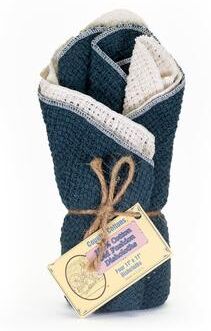
"Country Cottons 100 Percent Old Fashion Cotton Dishcloths 11""x11"" Set of 4 (2 natural color mixed with 2 colors of your choice)"Even in this age of all types of man-made materials, nothing can match cotton for strength, durability, feel and beauty. These dishcloths are made with the integrity that was so common in products manufactured generations ago.23,29 $*Shipping: 0,00 $Secure redirect to the provider
-
Can you wash towels, dishcloths, underwear, and socks together in one drum?
It is generally recommended to wash towels, dishcloths, underwear, and socks separately to prevent the transfer of bacteria and germs. Towels and dishcloths can harbor more bacteria and should be washed separately from personal items like underwear and socks. Washing these items together may not effectively clean and sanitize them. It is best to follow the care instructions on the garment labels and wash similar items together for the best results. **
-
Can towels, dishcloths, underwear, and socks be washed together in one drum?
It is not recommended to wash towels, dishcloths, underwear, and socks together in one drum. Towels can produce a lot of lint, which can stick to the other items. Underwear and socks may also contain bacteria that you wouldn't want to transfer to your towels or dishcloths. It's best to wash these items separately to ensure they are cleaned effectively and hygienically. **
-
Can mop heads be washed in the washing machine and also dishcloths?
Yes, mop heads can typically be washed in the washing machine. It's best to check the care label on the mop head to ensure it is machine washable. Dishcloths can also be washed in the washing machine, but it's important to wash them separately from other laundry items to prevent cross-contamination. Using hot water and a disinfecting laundry detergent can help ensure that both mop heads and dishcloths are thoroughly cleaned. **
-
How often should towels be replaced in the bathroom and how often should dishcloths and sponges be changed in the kitchen?
Towels in the bathroom should ideally be replaced every 3-5 days, especially if they are being used by multiple people. This helps to prevent the buildup of bacteria and mildew. Dishcloths and sponges in the kitchen should be changed more frequently, ideally every 1-2 days, as they come into contact with food and can harbor harmful bacteria if not properly cleaned and replaced regularly. It's important to keep these items clean and fresh to maintain good hygiene in the home. **
* All prices are inclusive of VAT and, if applicable, plus shipping costs. The offer information is based on the details provided by the respective shop and is updated through automated processes. Real-time updates do not occur, so deviations can occur in individual cases. ** Note: Parts of this content were created by AI.