Buy raahm.com ?
We are moving the project
raahm.com .
Are you interested in purchasing the domain
raahm.com ?
domain@kv-gmbh.de · 0541-91531010
Buy raahm.com ?
How is electron microscopy stained?
Electron microscopy uses heavy metal stains to enhance contrast and visibility of the specimen. These stains include uranyl acetate and lead citrate, which are applied to the specimen after it has been fixed and dehydrated. The heavy metal stains interact with the electrons in the microscope, creating contrast between different structures within the specimen. This allows for detailed imaging of the ultrastructure of cells and tissues at a very high resolution. **
What is the command for microscopy?
The command for microscopy is typically "microscope on" or "turn on the microscope." This command is used to activate the microscope and prepare it for use. Once the microscope is turned on, the user can then adjust the settings and focus to begin examining the specimen. **


Similar search terms for Microscopy
Top-Angebote
Products related to Microscopy:
-
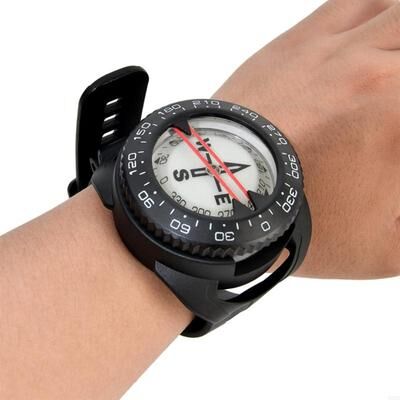
ModernMart Adventure Waterproof Compass Watch For Hiking Navigation And Outdoor Survival Adventure Waterproof Compass Watch For Hiking Navigation And Outdoor SurvivalNever lose your sense of direction, even in the wild. This compass watch is built for explorers, hikers, and outdoor enthusiasts who need reliable navigation on the go. Designed as a rugged outdoor survival watch, it combines precision direction...79,97 $*Shipping: 0,00 $Secure redirect to the provider
-
Multisell Products Hub Outdoor Clip On Compass Watch Luminous Hiking Carabiner Survival Gear Outdoor Clip On Compass Watch Luminous Hiking Carabiner Survival GearNever lose your direction when adventure calls. This clip on compass watch is designed for outdoor enthusiasts who demand reliability, convenience, and smart functionality in one compact tool. Built with durable alloy and a luminous display, it...54,97 $*Shipping: 0,00 $Secure redirect to the provider
-
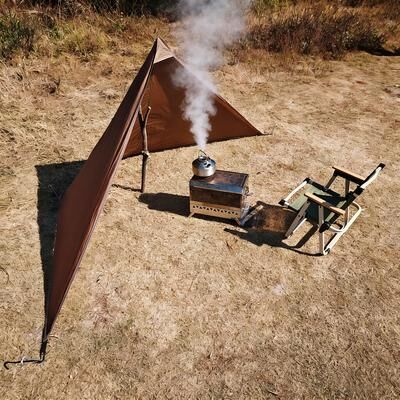
Inspire Daily Merch Windproof Camping Stove Shield Outdoor BBQ & Firewood Cooking Windbreak For Camping, Hiking, And BBQ Gear Windproof Camping Stove Shield Outdoor BBQ & Firewood Cooking Windbreak For Camping, Hiking, And BBQ GearPrepare for your outdoor adventure with our Windproof Camping Stove Shield. Designed to protect your fire from the elements, this lightweight, durable windscreen ensures consistent heat, making it an essential piece of camping gear. Perfect for BBQ...64,97 $*Shipping: 0,00 $Secure redirect to the provider
-
Multisell Products Hub Tactical Wrist Compass Watch For Hiking, Survival Navigation Gear Tactical Wrist Compass Watch For Hiking, Survival Navigation GearCrafted for those who refuse to get lost, this wrist compass keeps your direction clear when it matters most. Designed for hikers, campers, and outdoor explorers, it delivers reliable navigation without the bulk of traditional gear. The secure strap...59,97 $*Shipping: 0,00 $Secure redirect to the provider


-
How can I get tardigrades for microscopy?
Tardigrades can be found in various environments such as moss, lichen, leaf litter, and soil. To collect tardigrades for microscopy, you can start by collecting samples from these habitats using a small brush or pipette. The samples can then be placed in a petri dish with a small amount of water and observed under a microscope. Tardigrades are known for their ability to survive extreme conditions, so make sure to keep the samples moist and at a suitable temperature during observation. **
-
How can I obtain tardigrades for microscopy?
Tardigrades can be obtained for microscopy by collecting samples from mosses, lichens, and other damp environments where they are known to thrive. Once collected, the samples can be placed in a petri dish with a small amount of water and observed under a microscope. Tardigrades are known for their ability to survive extreme conditions, so it is important to ensure that the environment in the petri dish remains suitable for their survival. Additionally, there are commercial suppliers that sell tardigrades for microscopy purposes. **
-
Can you explain phase contrast microscopy simply?
Phase contrast microscopy is a technique used to enhance the contrast of transparent, unstained samples, such as living cells or tissues, under a microscope. It works by taking advantage of the phase differences between light waves passing through different parts of the sample, converting these differences into variations in brightness and darkness. This allows for the visualization of internal structures and details that would otherwise be difficult to see with traditional brightfield microscopy. In simple terms, phase contrast microscopy makes transparent samples appear more visible and detailed under the microscope. **
-
What are the advantages of cryo-electron microscopy?
Cryo-electron microscopy (cryo-EM) offers several advantages over other imaging techniques. Firstly, it allows for the visualization of biological samples in their native state without the need for staining or fixing, providing more accurate structural information. Secondly, cryo-EM can achieve higher resolution images compared to traditional electron microscopy, making it a powerful tool for studying complex biological structures. Lastly, cryo-EM is a versatile technique that can be used to study a wide range of samples, from small molecules to large macromolecular complexes. **

What is the purpose and necessity of microscopy?
The purpose of microscopy is to observe and study objects that are too small to be seen with the naked eye. Microscopy allows scientists and researchers to examine the structure, composition, and behavior of microscopic organisms, cells, tissues, and materials. It is necessary for various scientific fields such as biology, medicine, materials science, and nanotechnology, as it provides valuable insights into the fundamental building blocks of life and matter. Microscopy also plays a crucial role in diagnosing diseases, developing new technologies, and advancing our understanding of the natural world. **
Do you have any tips for the microscopy exam?
To prepare for a microscopy exam, it is important to familiarize yourself with the different types of microscopes and their functions. Practice using a microscope to observe various specimens and become comfortable with adjusting the focus and magnification. Review the key components of a microscope, such as the objective lens, eyepiece, and stage, and understand how they work together to produce an image. Additionally, make sure to study the principles of microscopy, including resolution, magnification, and illumination techniques. **
Top-Angebote
Products related to Microscopy:
-
The Handy Homestead Survival Wrist Compass Watch For Outdoor Adventure & Hiking Survival Wrist Compass Watch For Outdoor Adventure & HikingNever lose your way on your adventures again. The wrist compass watch combines a reliable compass with a durable, lightweight design, perfect for explorers, hikers, and outdoor enthusiasts. Built for precision and convenience, it keeps you oriented...39,97 $*Shipping: 0,00 $Secure redirect to the provider
-
Uplifted Trends Premium Wrist Compass Survival Watch For Outdoor Adventure & Hiking Premium Wrist Compass Survival Watch For Outdoor Adventure & HikingNever lose your way again with the wrist compass survival watch built for adventurers and explorers. Designed for hikers, campers, and outdoor enthusiasts, this durable survival watch keeps you on track no matter where the journey takes you. Its...39,97 $*Shipping: 0,00 $Secure redirect to the provider
-
ModernMart Adventure Waterproof Compass Watch For Hiking Navigation And Outdoor Survival Adventure Waterproof Compass Watch For Hiking Navigation And Outdoor SurvivalNever lose your sense of direction, even in the wild. This compass watch is built for explorers, hikers, and outdoor enthusiasts who need reliable navigation on the go. Designed as a rugged outdoor survival watch, it combines precision direction...79,97 $*Shipping: 0,00 $Secure redirect to the provider
-
Multisell Products Hub Outdoor Clip On Compass Watch Luminous Hiking Carabiner Survival Gear Outdoor Clip On Compass Watch Luminous Hiking Carabiner Survival GearNever lose your direction when adventure calls. This clip on compass watch is designed for outdoor enthusiasts who demand reliability, convenience, and smart functionality in one compact tool. Built with durable alloy and a luminous display, it...54,97 $*Shipping: 0,00 $Secure redirect to the provider
-
How is electron microscopy stained?
Electron microscopy uses heavy metal stains to enhance contrast and visibility of the specimen. These stains include uranyl acetate and lead citrate, which are applied to the specimen after it has been fixed and dehydrated. The heavy metal stains interact with the electrons in the microscope, creating contrast between different structures within the specimen. This allows for detailed imaging of the ultrastructure of cells and tissues at a very high resolution. **
-
What is the command for microscopy?
The command for microscopy is typically "microscope on" or "turn on the microscope." This command is used to activate the microscope and prepare it for use. Once the microscope is turned on, the user can then adjust the settings and focus to begin examining the specimen. **
-
How can I get tardigrades for microscopy?
Tardigrades can be found in various environments such as moss, lichen, leaf litter, and soil. To collect tardigrades for microscopy, you can start by collecting samples from these habitats using a small brush or pipette. The samples can then be placed in a petri dish with a small amount of water and observed under a microscope. Tardigrades are known for their ability to survive extreme conditions, so make sure to keep the samples moist and at a suitable temperature during observation. **
-
How can I obtain tardigrades for microscopy?
Tardigrades can be obtained for microscopy by collecting samples from mosses, lichens, and other damp environments where they are known to thrive. Once collected, the samples can be placed in a petri dish with a small amount of water and observed under a microscope. Tardigrades are known for their ability to survive extreme conditions, so it is important to ensure that the environment in the petri dish remains suitable for their survival. Additionally, there are commercial suppliers that sell tardigrades for microscopy purposes. **
Similar search terms for Microscopy
-
Inspire Daily Merch Windproof Camping Stove Shield Outdoor BBQ & Firewood Cooking Windbreak For Camping, Hiking, And BBQ Gear Windproof Camping Stove Shield Outdoor BBQ & Firewood Cooking Windbreak For Camping, Hiking, And BBQ GearPrepare for your outdoor adventure with our Windproof Camping Stove Shield. Designed to protect your fire from the elements, this lightweight, durable windscreen ensures consistent heat, making it an essential piece of camping gear. Perfect for BBQ...64,97 $*Shipping: 0,00 $Secure redirect to the provider
-
Multisell Products Hub Tactical Wrist Compass Watch For Hiking, Survival Navigation Gear Tactical Wrist Compass Watch For Hiking, Survival Navigation GearCrafted for those who refuse to get lost, this wrist compass keeps your direction clear when it matters most. Designed for hikers, campers, and outdoor explorers, it delivers reliable navigation without the bulk of traditional gear. The secure strap...59,97 $*Shipping: 0,00 $Secure redirect to the provider
-
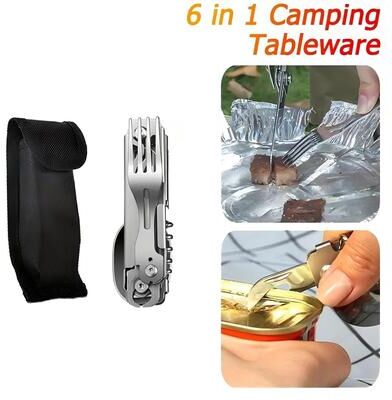
Perfect Picks Market Multifunctional Cutlery Set Portable Outdoor Tableware For Camping, Hiking, And Travel Multifunctional Cutlery Set Portable Outdoor Tableware For Camping, Hiking, And TravelUpgrade your outdoor meals with the 6in1 multifunctional cutlery set designed for campers, hikers, and travelers. This compact, portable tableware is all you need to enjoy a hasslefree dining experience in nature. Featuring a knife, fork, spoon, and...39,97 $*Shipping: 0,00 $Secure redirect to the provider
-
Can you explain phase contrast microscopy simply?
Phase contrast microscopy is a technique used to enhance the contrast of transparent, unstained samples, such as living cells or tissues, under a microscope. It works by taking advantage of the phase differences between light waves passing through different parts of the sample, converting these differences into variations in brightness and darkness. This allows for the visualization of internal structures and details that would otherwise be difficult to see with traditional brightfield microscopy. In simple terms, phase contrast microscopy makes transparent samples appear more visible and detailed under the microscope. **
-
What are the advantages of cryo-electron microscopy?
Cryo-electron microscopy (cryo-EM) offers several advantages over other imaging techniques. Firstly, it allows for the visualization of biological samples in their native state without the need for staining or fixing, providing more accurate structural information. Secondly, cryo-EM can achieve higher resolution images compared to traditional electron microscopy, making it a powerful tool for studying complex biological structures. Lastly, cryo-EM is a versatile technique that can be used to study a wide range of samples, from small molecules to large macromolecular complexes. **
-
What is the purpose and necessity of microscopy?
The purpose of microscopy is to observe and study objects that are too small to be seen with the naked eye. Microscopy allows scientists and researchers to examine the structure, composition, and behavior of microscopic organisms, cells, tissues, and materials. It is necessary for various scientific fields such as biology, medicine, materials science, and nanotechnology, as it provides valuable insights into the fundamental building blocks of life and matter. Microscopy also plays a crucial role in diagnosing diseases, developing new technologies, and advancing our understanding of the natural world. **
-
Do you have any tips for the microscopy exam?
To prepare for a microscopy exam, it is important to familiarize yourself with the different types of microscopes and their functions. Practice using a microscope to observe various specimens and become comfortable with adjusting the focus and magnification. Review the key components of a microscope, such as the objective lens, eyepiece, and stage, and understand how they work together to produce an image. Additionally, make sure to study the principles of microscopy, including resolution, magnification, and illumination techniques. **
* All prices are inclusive of VAT and, if applicable, plus shipping costs. The offer information is based on the details provided by the respective shop and is updated through automated processes. Real-time updates do not occur, so deviations can occur in individual cases. ** Note: Parts of this content were created by AI.