Buy raahm.com ?
We are moving the project
raahm.com .
Are you interested in purchasing the domain
raahm.com ?
domain@kv-gmbh.de · 0541-91531010
Buy raahm.com ?
At what outdoor temperature do you turn on your radiators?
I typically turn on my radiators when the outdoor temperature drops below 60 degrees Fahrenheit. This is usually when I start to feel a noticeable chill inside my home and need the extra warmth from the radiators. However, the exact temperature at which I turn on the radiators may vary depending on the specific weather conditions and how well insulated my home is. **
What is better: Cast iron radiators or convector radiators?
The choice between cast iron radiators and convector radiators depends on individual preferences and needs. Cast iron radiators are known for their classic look, durability, and ability to retain heat for longer periods, making them more energy-efficient. On the other hand, convector radiators are more modern in design, heat up quickly, and are often more cost-effective to install. Ultimately, the decision between the two types of radiators will depend on factors such as budget, aesthetic preferences, and heating requirements. **

Similar search terms for Radiators
Top-Angebote
Products related to Radiators:
-
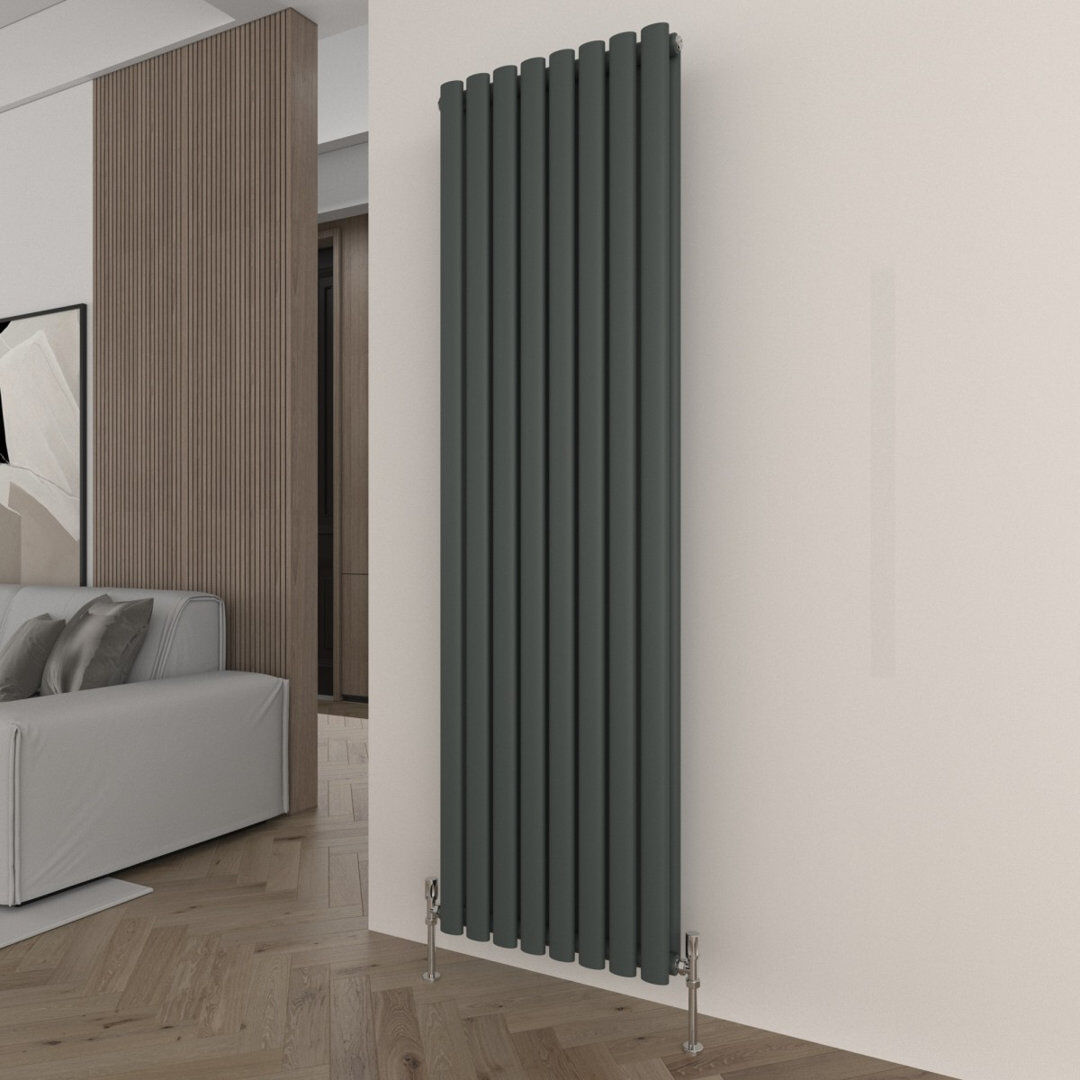
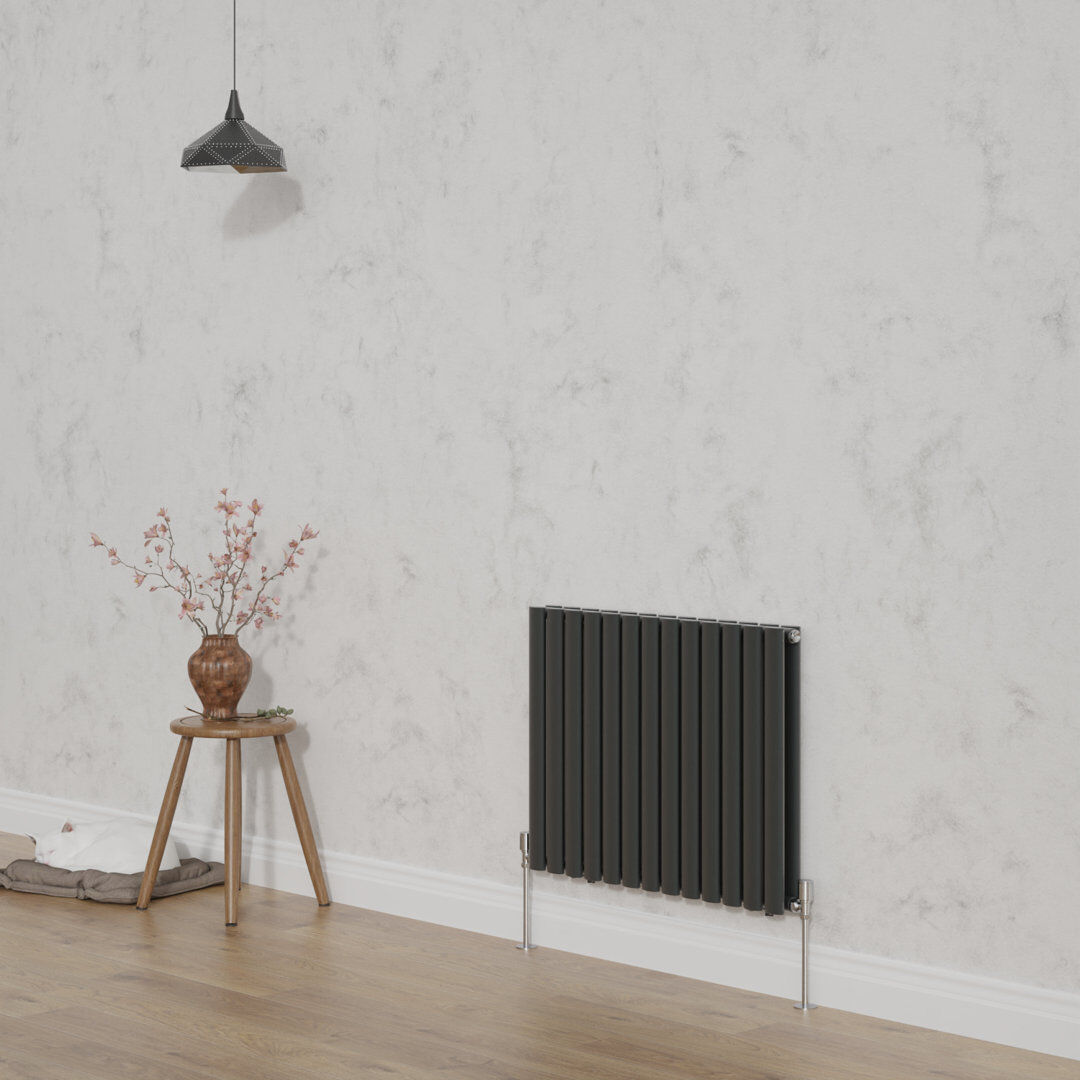
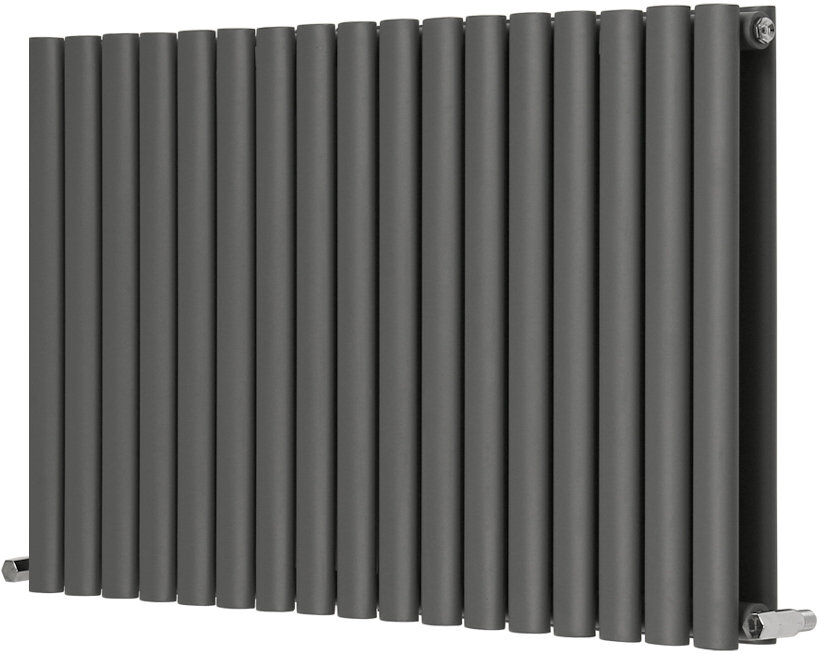
Belfry Heating Shirly Horizontal Oval Panel Radiators Anthracite 60cm H x 118cm WOur contemporary style radiators, fit any kind of interior design, a great choice for your Bedroom, Dining Room, Living Room, Kitchen, or Bathroom. They easily fit into your central heating system like a normal household radiator, meaning no complicated installation. The water inlet/outlet size of radiators is 1/2’. Belfry Heating Colour: Anthracite, Size: 60cm H x 118cm W, Panels: 1129,99 £*Shipping: 0,00 £Secure redirect to the provider
-
Belfry Heating Shirly Horizontal Oval Panel Radiators Anthracite 60cm H x 159.3cm WOur contemporary style radiators, fit any kind of interior design, a great choice for your Bedroom, Dining Room, Living Room, Kitchen, or Bathroom. They easily fit into your central heating system like a normal household radiator, meaning no complicated installation. The water inlet/outlet size of radiators is 1/2’. Belfry Heating Colour: Anthracite, Size: 60cm H x 159.3cm W, Panels: 1199,99 £*Shipping: 0,00 £Secure redirect to the provider
-
Belfry Heating Shirly Horizontal Oval Panel Radiators Anthracite 60cm H x 141.6cm WOur contemporary style radiators, fit any kind of interior design, a great choice for your Bedroom, Dining Room, Living Room, Kitchen, or Bathroom. They easily fit into your central heating system like a normal household radiator, meaning no complicated installation. The water inlet/outlet size of radiators is 1/2’. Belfry Heating Colour: Anthracite, Size: 60cm H x 141.6cm W, Panels: 1183,99 £*Shipping: 0,00 £Secure redirect to the provider
-
Belfry Heating Shirly Horizontal Oval Panel Radiators Anthracite 60cm H x 76.7cm WOur contemporary style radiators, fit any kind of interior design, a great choice for your Bedroom, Dining Room, Living Room, Kitchen, or Bathroom. They easily fit into your central heating system like a normal household radiator, meaning no complicated installation. The water inlet/outlet size of radiators is 1/2’. Belfry Heating Colour: Anthracite, Size: 60cm H x 76.7cm W, Panels: 2139,99 £*Shipping: 0,00 £Secure redirect to the provider


-
Are thicker radiators better than thinner radiators in a PC?
Thicker radiators are generally better than thinner radiators in a PC because they have more surface area for heat dissipation, allowing for more efficient cooling. Thicker radiators can accommodate more cooling fins and tubes, which increases the overall cooling capacity of the system. However, the effectiveness of a radiator also depends on factors such as the fan speed, airflow, and the quality of the cooling liquid being used. Ultimately, the choice between a thicker or thinner radiator should be based on the specific cooling needs and constraints of the PC system. **
-
Are the radiators leaking?
Without physical inspection, it is difficult to determine if the radiators are leaking. However, common signs of radiator leaks include puddles of water around the radiator, hissing or bubbling noises, and a drop in heating efficiency. It is recommended to have a professional plumber or HVAC technician inspect the radiators to accurately diagnose and fix any leaks. **
-
How do radiators gurgle?
Radiators gurgle when air becomes trapped in the system and moves through the pipes along with the hot water or steam. As the air bubbles move through the water or steam, they can create a gurgling or bubbling sound. This is often a sign that the radiator needs to be bled to release the trapped air and restore proper circulation of the heating system. **
-
Can radiators be easily replaced?
Yes, radiators can be easily replaced. The process typically involves draining the system, removing the old radiator, and installing a new one. However, it is recommended to hire a professional plumber or heating engineer to ensure the replacement is done correctly and safely. **

How can you change radiators?
To change radiators, you will need to follow these steps: 1. Turn off the central heating system and allow the radiators to cool down completely. 2. Place a container or towel underneath the radiator to catch any water that may leak out. 3. Use a radiator key to bleed the radiator and release any trapped air. 4. Use an adjustable spanner to loosen the nuts connecting the radiator to the valves. Make sure to have a bowl or container ready to catch any water that may leak out. 5. Carefully lift the radiator off the wall brackets and remove it from the room. 6. Install the new radiator by attaching it to the wall brackets and connecting it to the valves using the nuts. 7. Tighten the nuts securely and check for any leaks. 8. Bleed the radiator again to remove any air trapped in the system. 9. Turn the central heating system back on and check that the new radiator is heating up properly. It is recommended to consult a professional if you are unsure about how to change radiators, as it involves working with the central heating system and can be potentially dangerous if not done correctly. **
When should radiators be replaced?
Radiators should be replaced when they are no longer functioning properly, leaking, or showing signs of corrosion. Additionally, if a radiator is old and inefficient, it may be a good idea to replace it with a more energy-efficient model to save on heating costs. **
Top-Angebote
Products related to Radiators:
-
Belfry Heating Shirly Horizontal Oval Panel Radiators Anthracite 60cm H x 118cm WOur contemporary style radiators, fit any kind of interior design, a great choice for your Bedroom, Dining Room, Living Room, Kitchen, or Bathroom. They easily fit into your central heating system like a normal household radiator, meaning no complicated installation. The water inlet/outlet size of radiators is 1/2’. Belfry Heating Colour: Anthracite, Size: 60cm H x 118cm W, Panels: 1129,99 £*Shipping: 0,00 £Secure redirect to the provider
-
Belfry Heating Shirly Horizontal Oval Panel Radiators Anthracite 60cm H x 159.3cm WOur contemporary style radiators, fit any kind of interior design, a great choice for your Bedroom, Dining Room, Living Room, Kitchen, or Bathroom. They easily fit into your central heating system like a normal household radiator, meaning no complicated installation. The water inlet/outlet size of radiators is 1/2’. Belfry Heating Colour: Anthracite, Size: 60cm H x 159.3cm W, Panels: 1199,99 £*Shipping: 0,00 £Secure redirect to the provider
-
At what outdoor temperature do you turn on your radiators?
I typically turn on my radiators when the outdoor temperature drops below 60 degrees Fahrenheit. This is usually when I start to feel a noticeable chill inside my home and need the extra warmth from the radiators. However, the exact temperature at which I turn on the radiators may vary depending on the specific weather conditions and how well insulated my home is. **
-
What is better: Cast iron radiators or convector radiators?
The choice between cast iron radiators and convector radiators depends on individual preferences and needs. Cast iron radiators are known for their classic look, durability, and ability to retain heat for longer periods, making them more energy-efficient. On the other hand, convector radiators are more modern in design, heat up quickly, and are often more cost-effective to install. Ultimately, the decision between the two types of radiators will depend on factors such as budget, aesthetic preferences, and heating requirements. **
-
Are thicker radiators better than thinner radiators in a PC?
Thicker radiators are generally better than thinner radiators in a PC because they have more surface area for heat dissipation, allowing for more efficient cooling. Thicker radiators can accommodate more cooling fins and tubes, which increases the overall cooling capacity of the system. However, the effectiveness of a radiator also depends on factors such as the fan speed, airflow, and the quality of the cooling liquid being used. Ultimately, the choice between a thicker or thinner radiator should be based on the specific cooling needs and constraints of the PC system. **
-
Are the radiators leaking?
Without physical inspection, it is difficult to determine if the radiators are leaking. However, common signs of radiator leaks include puddles of water around the radiator, hissing or bubbling noises, and a drop in heating efficiency. It is recommended to have a professional plumber or HVAC technician inspect the radiators to accurately diagnose and fix any leaks. **
Similar search terms for Radiators
-
Belfry Heating Shirly Horizontal Oval Panel Radiators Anthracite 60cm H x 141.6cm WOur contemporary style radiators, fit any kind of interior design, a great choice for your Bedroom, Dining Room, Living Room, Kitchen, or Bathroom. They easily fit into your central heating system like a normal household radiator, meaning no complicated installation. The water inlet/outlet size of radiators is 1/2’. Belfry Heating Colour: Anthracite, Size: 60cm H x 141.6cm W, Panels: 1183,99 £*Shipping: 0,00 £Secure redirect to the provider
-
Belfry Heating Shirly Horizontal Oval Panel Radiators Anthracite 60cm H x 76.7cm WOur contemporary style radiators, fit any kind of interior design, a great choice for your Bedroom, Dining Room, Living Room, Kitchen, or Bathroom. They easily fit into your central heating system like a normal household radiator, meaning no complicated installation. The water inlet/outlet size of radiators is 1/2’. Belfry Heating Colour: Anthracite, Size: 60cm H x 76.7cm W, Panels: 2139,99 £*Shipping: 0,00 £Secure redirect to the provider
-
Belfry Heating Shirly Horizontal Oval Panel Radiators Anthracite 60cm H x 100.3cm WOur contemporary style radiators, fit any kind of interior design, a great choice for your Bedroom, Dining Room, Living Room, Kitchen, or Bathroom. They easily fit into your central heating system like a normal household radiator, meaning no complicated installation. The water inlet/outlet size of radiators is 1/2’. Belfry Heating Colour: Anthracite, Size: 60cm H x 100.3cm W, Panels: 2171,99 £*Shipping: 0,00 £Secure redirect to the provider
-
The Handy Homestead Survival Wrist Compass Watch For Outdoor Adventure & Hiking Survival Wrist Compass Watch For Outdoor Adventure & HikingNever lose your way on your adventures again. The wrist compass watch combines a reliable compass with a durable, lightweight design, perfect for explorers, hikers, and outdoor enthusiasts. Built for precision and convenience, it keeps you oriented...39,97 $*Shipping: 0,00 $Secure redirect to the provider
-
How do radiators gurgle?
Radiators gurgle when air becomes trapped in the system and moves through the pipes along with the hot water or steam. As the air bubbles move through the water or steam, they can create a gurgling or bubbling sound. This is often a sign that the radiator needs to be bled to release the trapped air and restore proper circulation of the heating system. **
-
Can radiators be easily replaced?
Yes, radiators can be easily replaced. The process typically involves draining the system, removing the old radiator, and installing a new one. However, it is recommended to hire a professional plumber or heating engineer to ensure the replacement is done correctly and safely. **
-
How can you change radiators?
To change radiators, you will need to follow these steps: 1. Turn off the central heating system and allow the radiators to cool down completely. 2. Place a container or towel underneath the radiator to catch any water that may leak out. 3. Use a radiator key to bleed the radiator and release any trapped air. 4. Use an adjustable spanner to loosen the nuts connecting the radiator to the valves. Make sure to have a bowl or container ready to catch any water that may leak out. 5. Carefully lift the radiator off the wall brackets and remove it from the room. 6. Install the new radiator by attaching it to the wall brackets and connecting it to the valves using the nuts. 7. Tighten the nuts securely and check for any leaks. 8. Bleed the radiator again to remove any air trapped in the system. 9. Turn the central heating system back on and check that the new radiator is heating up properly. It is recommended to consult a professional if you are unsure about how to change radiators, as it involves working with the central heating system and can be potentially dangerous if not done correctly. **
-
When should radiators be replaced?
Radiators should be replaced when they are no longer functioning properly, leaking, or showing signs of corrosion. Additionally, if a radiator is old and inefficient, it may be a good idea to replace it with a more energy-efficient model to save on heating costs. **
* All prices are inclusive of VAT and, if applicable, plus shipping costs. The offer information is based on the details provided by the respective shop and is updated through automated processes. Real-time updates do not occur, so deviations can occur in individual cases. ** Note: Parts of this content were created by AI.