Buy raahm.com ?
We are moving the project
raahm.com .
Are you interested in purchasing the domain
raahm.com ?
domain@kv-gmbh.de · 0541-91531010
Buy raahm.com ?
Why does the Kitchen Aid Artisan squeak?
The Kitchen Aid Artisan mixer may squeak due to a few reasons. One common cause is that the gears inside the mixer may need to be lubricated. Another reason could be that the attachments are not properly secured, causing friction and noise. Additionally, if the mixer is being used at a high speed for an extended period of time, it may also start to squeak. Regular maintenance and proper usage can help prevent the squeaking noise. **
Can you install plasterboard on cork or tiles on cork?
Yes, it is possible to install plasterboard on cork. However, it is important to ensure that the cork surface is clean, dry, and properly prepared before installing the plasterboard. Additionally, it may be necessary to use special adhesive or fasteners designed for use with cork. As for installing tiles on cork, it is generally not recommended. Cork is a soft and flexible material, which can make it unsuitable for supporting the weight and rigidity of tiles. Additionally, the natural movement and flexibility of cork can cause tiles to crack or become loose over time. It is best to consult with a professional to determine the best approach for installing tiles on cork, or to consider alternative flooring options. **
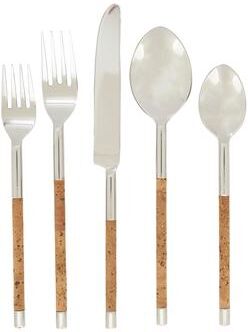
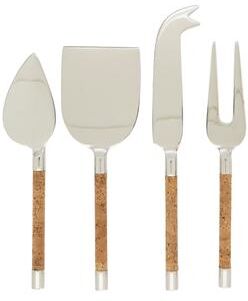
Similar search terms for Saro-Lifestyle-Artisan-Cork
Top-Angebote
Products related to Saro-Lifestyle-Artisan-Cork:
-
Saro Lifestyle Artisan Wood & Resin Salad Server SetDiscover the unique charm of the Artisan Wood & Resin Salad Server Set. It's a versatile piece that enhances your space with both style and functionality. Beautifully crafted to complement a variety of styles and settings, it's a true standout.48,83 $*Shipping: 0,00 $Secure redirect to the provider
-
Saro Lifestyle Artisan Wood and Resin Charger Plate (Set of 4)Impress your guests with the Artisan Wood and Resin Charger Plates. This stylish and durable foundation for your dinnerware adds a layer of elegance and refinement to your table settings.114,65 $*Shipping: 0,00 $Secure redirect to the provider


-
Why is the Pimax Artisan not starting anymore?
The Pimax Artisan may not be starting anymore due to a variety of potential issues. It could be a hardware problem, such as a faulty power supply or a damaged component. It could also be a software issue, such as a corrupted driver or firmware. Additionally, it's possible that the device is not receiving proper power or connectivity. Troubleshooting steps such as checking connections, updating drivers, and testing the power supply may help identify and resolve the issue. If these steps do not work, contacting Pimax support for further assistance may be necessary. **
-
How do I remove cork or cork pieces from the wine bottle?
To remove cork or cork pieces from a wine bottle, you can use a few different methods. One option is to use a cork screw to carefully twist and pull out the cork or pieces. Another method is to use a cork retriever, which is a tool specifically designed to remove cork from a bottle. If the cork is stuck inside the bottle, you can try pouring the wine through a fine mesh strainer to catch any cork pieces. It's important to be gentle and patient when removing cork from a wine bottle to avoid contaminating the wine with cork particles. **
-
How do you glue cork?
To glue cork, you will need a strong adhesive that is suitable for porous materials like cork. Apply a generous amount of the adhesive to both surfaces that you want to glue together. Press the surfaces firmly together and hold them in place for a few minutes to allow the glue to set. It is important to follow the instructions provided by the adhesive manufacturer for the best results. **
-
How do you stick cork?
To stick cork, you can use a strong adhesive such as contact cement or a hot glue gun. Apply the adhesive to both the cork and the surface you want to stick it to, then press the cork firmly in place. Make sure to hold it in position until the adhesive has fully dried and the cork is securely attached. Additionally, you can use a cork-specific adhesive that is designed for this purpose for a more secure bond. **


Why is the cork stuck?
The cork may be stuck due to swelling caused by moisture, making it difficult to remove from the bottle. Additionally, the cork may have expanded over time, creating a tight seal with the bottle neck. It is also possible that the cork was inserted too tightly or at an angle, causing it to get stuck. **
Why do the new wine bottles no longer have a cork made of cork?
The new wine bottles no longer have a cork made of cork because synthetic corks and screw caps have become more popular due to their consistency and reliability in preserving the wine. Natural cork can sometimes lead to cork taint, which affects the taste and aroma of the wine. Additionally, using synthetic corks and screw caps can be more cost-effective and environmentally friendly, as they can be easily recycled. Overall, the shift away from natural cork is driven by the desire to ensure the quality and consistency of the wine while also considering practical and sustainable alternatives. **
Top-Angebote
Products related to Saro-Lifestyle-Artisan-Cork:
-
Saro Lifestyle Artisan Cork Handle Cheese Cutlery SetDiscover the unique charm of the Artisan Cork Handle Cheese Cutlery Set. It's a versatile piece that enhances your space with both style and functionality. Beautifully crafted to complement a variety of styles and settings, it's a true standout.38,99 $*Shipping: 0,00 $Secure redirect to the provider
-
Saro Lifestyle Artisan Wood & Resin Salad Server SetDiscover the unique charm of the Artisan Wood & Resin Salad Server Set. It's a versatile piece that enhances your space with both style and functionality. Beautifully crafted to complement a variety of styles and settings, it's a true standout.48,83 $*Shipping: 0,00 $Secure redirect to the provider
-
Why does the Kitchen Aid Artisan squeak?
The Kitchen Aid Artisan mixer may squeak due to a few reasons. One common cause is that the gears inside the mixer may need to be lubricated. Another reason could be that the attachments are not properly secured, causing friction and noise. Additionally, if the mixer is being used at a high speed for an extended period of time, it may also start to squeak. Regular maintenance and proper usage can help prevent the squeaking noise. **
-
Can you install plasterboard on cork or tiles on cork?
Yes, it is possible to install plasterboard on cork. However, it is important to ensure that the cork surface is clean, dry, and properly prepared before installing the plasterboard. Additionally, it may be necessary to use special adhesive or fasteners designed for use with cork. As for installing tiles on cork, it is generally not recommended. Cork is a soft and flexible material, which can make it unsuitable for supporting the weight and rigidity of tiles. Additionally, the natural movement and flexibility of cork can cause tiles to crack or become loose over time. It is best to consult with a professional to determine the best approach for installing tiles on cork, or to consider alternative flooring options. **
-
Why is the Pimax Artisan not starting anymore?
The Pimax Artisan may not be starting anymore due to a variety of potential issues. It could be a hardware problem, such as a faulty power supply or a damaged component. It could also be a software issue, such as a corrupted driver or firmware. Additionally, it's possible that the device is not receiving proper power or connectivity. Troubleshooting steps such as checking connections, updating drivers, and testing the power supply may help identify and resolve the issue. If these steps do not work, contacting Pimax support for further assistance may be necessary. **
-
How do I remove cork or cork pieces from the wine bottle?
To remove cork or cork pieces from a wine bottle, you can use a few different methods. One option is to use a cork screw to carefully twist and pull out the cork or pieces. Another method is to use a cork retriever, which is a tool specifically designed to remove cork from a bottle. If the cork is stuck inside the bottle, you can try pouring the wine through a fine mesh strainer to catch any cork pieces. It's important to be gentle and patient when removing cork from a wine bottle to avoid contaminating the wine with cork particles. **
Similar search terms for Saro-Lifestyle-Artisan-Cork
-
Saro Lifestyle Artisan Wood and Resin Charger Plate (Set of 4)Impress your guests with the Artisan Wood and Resin Charger Plates. This stylish and durable foundation for your dinnerware adds a layer of elegance and refinement to your table settings.114,65 $*Shipping: 0,00 $Secure redirect to the provider
-
How do you glue cork?
To glue cork, you will need a strong adhesive that is suitable for porous materials like cork. Apply a generous amount of the adhesive to both surfaces that you want to glue together. Press the surfaces firmly together and hold them in place for a few minutes to allow the glue to set. It is important to follow the instructions provided by the adhesive manufacturer for the best results. **
-
How do you stick cork?
To stick cork, you can use a strong adhesive such as contact cement or a hot glue gun. Apply the adhesive to both the cork and the surface you want to stick it to, then press the cork firmly in place. Make sure to hold it in position until the adhesive has fully dried and the cork is securely attached. Additionally, you can use a cork-specific adhesive that is designed for this purpose for a more secure bond. **
-
Why is the cork stuck?
The cork may be stuck due to swelling caused by moisture, making it difficult to remove from the bottle. Additionally, the cork may have expanded over time, creating a tight seal with the bottle neck. It is also possible that the cork was inserted too tightly or at an angle, causing it to get stuck. **
-
Why do the new wine bottles no longer have a cork made of cork?
The new wine bottles no longer have a cork made of cork because synthetic corks and screw caps have become more popular due to their consistency and reliability in preserving the wine. Natural cork can sometimes lead to cork taint, which affects the taste and aroma of the wine. Additionally, using synthetic corks and screw caps can be more cost-effective and environmentally friendly, as they can be easily recycled. Overall, the shift away from natural cork is driven by the desire to ensure the quality and consistency of the wine while also considering practical and sustainable alternatives. **
* All prices are inclusive of VAT and, if applicable, plus shipping costs. The offer information is based on the details provided by the respective shop and is updated through automated processes. Real-time updates do not occur, so deviations can occur in individual cases. ** Note: Parts of this content were created by AI.