Buy raahm.com ?
We are moving the project
raahm.com .
Are you interested in purchasing the domain
raahm.com ?
domain@kv-gmbh.de · 0541-91531010
Buy raahm.com ?
What is the difference between ses, leur and leurs?
Ses, leur, and leurs are all possessive adjectives in French, but they are used in different contexts. "Ses" is used to indicate possession by a singular third person, "leur" is used for a singular third person, and "leurs" is used for plural third person. For example, "ses chaussures" means "his/her shoes," "leur maison" means "their house," and "leurs voitures" means "their cars." It's important to pay attention to the number and gender of the noun being possessed in order to choose the correct possessive adjective. **
What is the difference in French between 'ses' and 'leur'?
In French, 'ses' is a possessive adjective that is used to show possession for a singular noun that is masculine or feminine. It is used when referring to something that belongs to a third person. On the other hand, 'leur' is also a possessive adjective, but it is used for plural nouns. It is used when referring to something that belongs to a third person in the plural form. **

Similar search terms for Ses
Top-Angebote
Products related to Ses:
-
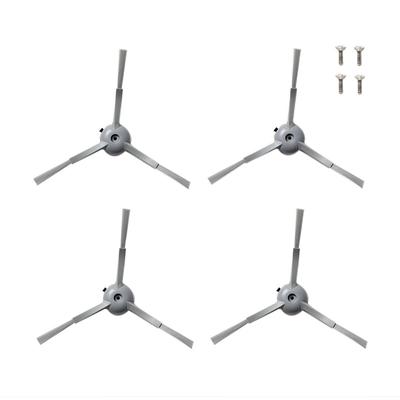
Replacement Side Brush for Robot Vacuum, Compatible with L50, L50 SES, L60, L60 SES, G50, G50 Hybrid,Omni C20Replacement Side Brush for eufy Robot Vacuum Authentic part manufactured by eufy. Compatible with L50, L50 SES, L60, L60 SES, L60 Hybrid, L60 Hybrid SES, G50, G50 Hybrid,Omni C20.15,99 $*Shipping: 0,00 $Secure redirect to the provider


-
How are mon, ma, mes, ton, ta, tes, son, sa, ses formed and used?
Mon, ma, mes, ton, ta, tes, son, sa, and ses are possessive adjectives in French. They agree in gender and number with the noun they are describing. Mon, ton, and son are used before masculine singular nouns, ma, ta, and sa are used before feminine singular nouns, and mes, tes, and ses are used before plural nouns. They indicate ownership or possession of something by the speaker or the person being spoken to. **
-
When do you use son, sa, and ses and what do these words mean?
Son, sa, and ses are possessive adjectives in French that mean "his," "her," or "its" in English. They are used to show ownership or possession of a singular noun. "Son" is used before a masculine singular noun, "sa" is used before a feminine singular noun, and "ses" is used before plural nouns regardless of gender. For example, "son chien" means "his dog," "sa maison" means "her house," and "ses livres" means "its books." **
-
How are mon, ma, mes, ton, ta, tes, son, sa, ses translated into German? Best regards.
In German, "mon" is translated as "mein," "ma" as "meine," "mes" as "meine," "ton" as "dein," "ta" as "deine," "tes" as "deine," "son" as "sein," "sa" as "seine," and "ses" as "seine." These words are possessive adjectives and change depending on the gender and number of the noun they are describing. Best regards. **
-
How are mon, ma, mes, ton, ta, tes, son, sa, ses translated into German? Kind regards.
In German, "mon, ma, mes" are translated as "mein, meine, meine" for masculine singular, feminine singular, and plural respectively. "ton, ta, tes" are translated as "dein, deine, deine" for masculine singular, feminine singular, and plural respectively. "son, sa, ses" are translated as "sein, seine, seine" for masculine singular, feminine singular, and plural respectively. Kind regards. **
How is the formation and use of mon, ma, mes, ton, ta, tes, son, sa, ses done?
The formation and use of mon, ma, mes, ton, ta, tes, son, sa, ses in French is based on the gender and number of the noun they are referring to. "Mon, ton, son" are used before masculine singular nouns, while "ma, ta, sa" are used before feminine singular nouns. "Mes, tes, ses" are used before plural nouns, regardless of gender. It is important to match the possessive adjective with the noun it is describing in terms of gender and number. **
Who knows these hiking pants, mountain pants, or outdoor pants?
These hiking pants, mountain pants, or outdoor pants are known by outdoor enthusiasts, hikers, mountaineers, and anyone who enjoys spending time in nature. They are designed to provide comfort, durability, and functionality for outdoor activities, making them popular among those who engage in hiking, trekking, camping, and other outdoor adventures. Additionally, outdoor retailers, gear shops, and online stores that specialize in outdoor equipment and apparel also carry these types of pants and are familiar with them. **
Top-Angebote
Products related to Ses:
-
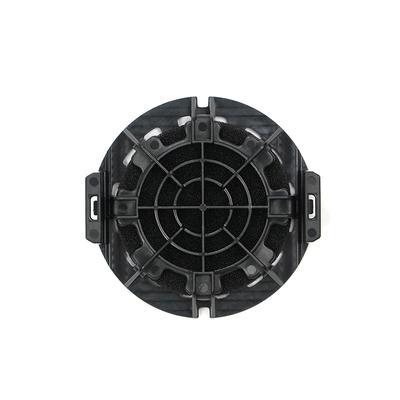
Replacement Washable Filter for Robot Vacuum, Compatible with L50, L60, L60 SES, L50 SES, G50, G50 Hybrid2 Replacement Washable Filter for eufy Robot Vacuum Authentic part manufactured by eufy. Compatible with L50, L60, L60 SES, L50 SES, L60 Hybrid, L60 Hybrid SES, G50, G50 Hybrid.12,99 $*Shipping: 0,00 $Secure redirect to the provider
-
Replacement Side Brush for Robot Vacuum, Compatible with L50, L50 SES, L60, L60 SES, G50, G50 Hybrid,Omni C20Replacement Side Brush for eufy Robot Vacuum Authentic part manufactured by eufy. Compatible with L50, L50 SES, L60, L60 SES, L60 Hybrid, L60 Hybrid SES, G50, G50 Hybrid,Omni C20.15,99 $*Shipping: 0,00 $Secure redirect to the provider
-
What is the difference between ses, leur and leurs?
Ses, leur, and leurs are all possessive adjectives in French, but they are used in different contexts. "Ses" is used to indicate possession by a singular third person, "leur" is used for a singular third person, and "leurs" is used for plural third person. For example, "ses chaussures" means "his/her shoes," "leur maison" means "their house," and "leurs voitures" means "their cars." It's important to pay attention to the number and gender of the noun being possessed in order to choose the correct possessive adjective. **
-
What is the difference in French between 'ses' and 'leur'?
In French, 'ses' is a possessive adjective that is used to show possession for a singular noun that is masculine or feminine. It is used when referring to something that belongs to a third person. On the other hand, 'leur' is also a possessive adjective, but it is used for plural nouns. It is used when referring to something that belongs to a third person in the plural form. **
-
How are mon, ma, mes, ton, ta, tes, son, sa, ses formed and used?
Mon, ma, mes, ton, ta, tes, son, sa, and ses are possessive adjectives in French. They agree in gender and number with the noun they are describing. Mon, ton, and son are used before masculine singular nouns, ma, ta, and sa are used before feminine singular nouns, and mes, tes, and ses are used before plural nouns. They indicate ownership or possession of something by the speaker or the person being spoken to. **
-
When do you use son, sa, and ses and what do these words mean?
Son, sa, and ses are possessive adjectives in French that mean "his," "her," or "its" in English. They are used to show ownership or possession of a singular noun. "Son" is used before a masculine singular noun, "sa" is used before a feminine singular noun, and "ses" is used before plural nouns regardless of gender. For example, "son chien" means "his dog," "sa maison" means "her house," and "ses livres" means "its books." **
Similar search terms for Ses
-
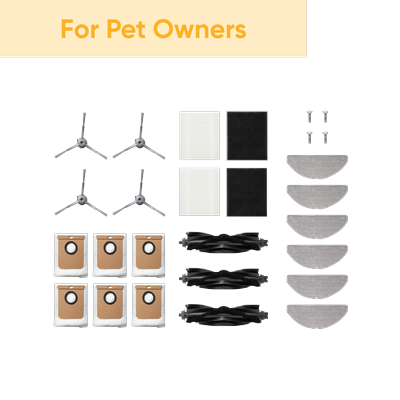
( For pet owners only ) L60 Hybrid SES Accessories Subscription ServiceDescription: We recommend the Accessories Kit for households with pets: It's adviced to replace the Side Brush every 3 months, replace the Washable Filter every 3 months, replace the Roller Brush every 6 months, replace the Dust Bag every 1 months,...167,91 $*Shipping: 0,00 $Secure redirect to the provider
-
How are mon, ma, mes, ton, ta, tes, son, sa, ses translated into German? Best regards.
In German, "mon" is translated as "mein," "ma" as "meine," "mes" as "meine," "ton" as "dein," "ta" as "deine," "tes" as "deine," "son" as "sein," "sa" as "seine," and "ses" as "seine." These words are possessive adjectives and change depending on the gender and number of the noun they are describing. Best regards. **
-
How are mon, ma, mes, ton, ta, tes, son, sa, ses translated into German? Kind regards.
In German, "mon, ma, mes" are translated as "mein, meine, meine" for masculine singular, feminine singular, and plural respectively. "ton, ta, tes" are translated as "dein, deine, deine" for masculine singular, feminine singular, and plural respectively. "son, sa, ses" are translated as "sein, seine, seine" for masculine singular, feminine singular, and plural respectively. Kind regards. **
-
How is the formation and use of mon, ma, mes, ton, ta, tes, son, sa, ses done?
The formation and use of mon, ma, mes, ton, ta, tes, son, sa, ses in French is based on the gender and number of the noun they are referring to. "Mon, ton, son" are used before masculine singular nouns, while "ma, ta, sa" are used before feminine singular nouns. "Mes, tes, ses" are used before plural nouns, regardless of gender. It is important to match the possessive adjective with the noun it is describing in terms of gender and number. **
-
Who knows these hiking pants, mountain pants, or outdoor pants?
These hiking pants, mountain pants, or outdoor pants are known by outdoor enthusiasts, hikers, mountaineers, and anyone who enjoys spending time in nature. They are designed to provide comfort, durability, and functionality for outdoor activities, making them popular among those who engage in hiking, trekking, camping, and other outdoor adventures. Additionally, outdoor retailers, gear shops, and online stores that specialize in outdoor equipment and apparel also carry these types of pants and are familiar with them. **
* All prices are inclusive of VAT and, if applicable, plus shipping costs. The offer information is based on the details provided by the respective shop and is updated through automated processes. Real-time updates do not occur, so deviations can occur in individual cases. ** Note: Parts of this content were created by AI.