Buy raahm.com ?
We are moving the project
raahm.com .
Are you interested in purchasing the domain
raahm.com ?
domain@kv-gmbh.de · 0541-91531010
Buy raahm.com ?
Is it true that libido finds an outlet in artistic activity?
Libido, as defined by Sigmund Freud, refers to the psychic and emotional energy associated with the sexual drive. According to Freud, libido can find an outlet in artistic activity, as creative expression can serve as a way to channel and sublimate this energy into a socially acceptable form. Many artists and psychologists have explored the connection between sexuality and creativity, suggesting that the drive for self-expression and the pursuit of pleasure can be intertwined. However, it's important to note that the relationship between libido and artistic activity is complex and can vary from individual to individual. **
What are sensory cells, sensory organs, and senses?
Sensory cells are specialized cells that detect and respond to specific stimuli, such as light, sound, touch, taste, and smell. These cells are found in sensory organs, which are structures in the body that contain sensory cells and are responsible for detecting and transmitting sensory information to the brain. The senses, on the other hand, are the physiological capacities of organisms that provide data for perception. They include sight, hearing, touch, taste, and smell, and are essential for experiencing and interacting with the environment. **

Similar search terms for Uplifted-Finds-Sensory-Activity
Top-Angebote
Products related to Uplifted-Finds-Sensory-Activity:
-
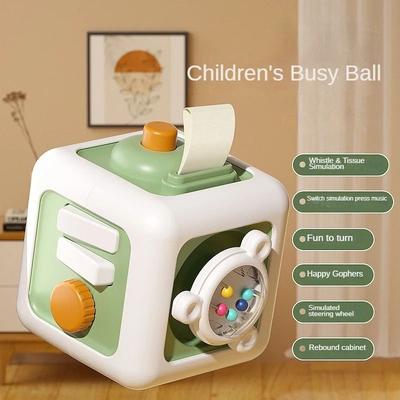
Uplifted Finds 6 In 1 Montessori Educational Sensory Busy Cube Early Education Activity Toy new GreenSupport your childs development with the 6 in 1 Montessori Educational Sensory Busy Cube. This multifunctional toy is designed to engage infants and toddlers with diverse tactile activities that build essential fine motor skills. Featuring...69,97 $*Shipping: 0,00 $Secure redirect to the provider
-
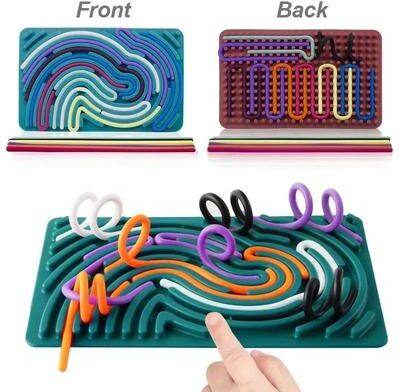
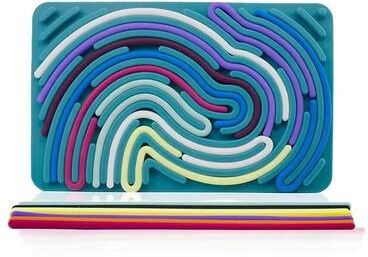
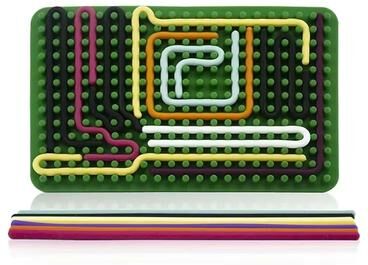
Inspired Finds Sensory Activity Busy Board For Kids Montessori Motor Skills Travel Toy rainbowKeep little hands busy and curious minds engaged with this sensory activity board designed as an interactive busy board toy that supports early childhood development. Packed with colorful silicone rods and textures, this travelfriendly toy helps...34,99 $*Shipping: 0,00 $Secure redirect to the provider
-
Inspired Finds Sensory Activity Busy Board For Kids Montessori Motor Skills Travel Toy blueKeep little hands busy and curious minds engaged with this sensory activity board designed as an interactive busy board toy that supports early childhood development. Packed with colorful silicone rods and textures, this travelfriendly toy helps...34,99 $*Shipping: 0,00 $Secure redirect to the provider
-
Inspired Finds Sensory Activity Busy Board For Kids Montessori Motor Skills Travel Toy greenKeep little hands busy and curious minds engaged with this sensory activity board designed as an interactive busy board toy that supports early childhood development. Packed with colorful silicone rods and textures, this travelfriendly toy helps...34,99 $*Shipping: 0,00 $Secure redirect to the provider

-
What is the difference between a primary sensory cell, a secondary sensory cell, and a sensory nerve cell?
Primary sensory cells are specialized cells that directly detect stimuli from the environment, such as light, sound, or touch. Secondary sensory cells receive signals from primary sensory cells and transmit them to the central nervous system. Sensory nerve cells, also known as sensory neurons, are responsible for transmitting the signals from secondary sensory cells to the brain, where they are processed and interpreted. In summary, primary sensory cells detect stimuli, secondary sensory cells relay the signals, and sensory nerve cells transmit the signals to the brain for processing. **
-
Are receptors sensory cells?
Receptors are not sensory cells themselves, but they are specialized proteins located on the surface of sensory cells. These receptors are responsible for detecting and responding to specific stimuli, such as light, sound, taste, or smell. When a receptor is activated by a stimulus, it triggers a series of biochemical reactions within the sensory cell, ultimately leading to the generation of a sensory signal that can be transmitted to the brain for processing. Therefore, while receptors are not sensory cells, they play a crucial role in the sensory process by detecting and transducing stimuli into neural signals. **
-
What is sensory perception?
Sensory perception refers to the process of receiving and interpreting information from the environment through the senses. This includes the five main senses of sight, hearing, touch, taste, and smell, as well as other sensory experiences such as balance, proprioception, and temperature. The brain then processes this sensory information to create a perception of the world around us, allowing us to interact with and understand our surroundings. Sensory perception is essential for everyday functioning and plays a crucial role in how we experience and navigate the world. **
-
What are sensory nerve cells?
Sensory nerve cells, also known as sensory neurons, are specialized cells that transmit information from the body's sensory organs (such as the skin, eyes, ears, nose, and tongue) to the central nervous system. These cells are responsible for detecting various stimuli, such as touch, temperature, pain, and pressure, and converting these stimuli into electrical signals that can be interpreted by the brain. Sensory nerve cells play a crucial role in allowing us to perceive and respond to our environment. **


What are artificial sensory organs?
Artificial sensory organs are devices designed to mimic the functions of natural sensory organs, such as the eyes, ears, and skin. These devices use advanced technology to detect and process sensory information, allowing individuals to perceive and interact with their environment in a way that is similar to natural sensory organs. Artificial sensory organs have the potential to enhance or restore sensory capabilities for individuals with disabilities, as well as to provide new sensory experiences for people without impairments. These technologies have the potential to revolutionize healthcare and human-computer interaction. **
How does sensory development progress?
Sensory development progresses through a series of stages, beginning with basic sensory experiences such as touch, taste, and smell in infancy. As children grow, they develop more refined sensory abilities, such as improved vision and hearing, and begin to integrate sensory information to make sense of their environment. This process continues into adolescence and adulthood, with individuals becoming more adept at interpreting and responding to sensory stimuli. Overall, sensory development progresses from basic sensory experiences to more complex and integrated sensory abilities as individuals mature. **
Top-Angebote
Products related to Uplifted-Finds-Sensory-Activity:
-
Uplifted Finds Sensory Activity Board Montessori Toy Stress Relief Silicone Travel Gift squeeze ToyEngage your childs curiosity and calm their focus with this Sensory Activity Board Montessori Toy. Designed for toddlers and young children, this versatile busy board features a unique mazelike surface that allows kids to pull and weave vibrant,...40,97 $*Shipping: 0,00 $Secure redirect to the provider
-
Inspired Finds Sensory Activity Busy Board For Kids Montessori Motor Skills Travel Toy redKeep little hands busy and curious minds engaged with this sensory activity board designed as an interactive busy board toy that supports early childhood development. Packed with colorful silicone rods and textures, this travelfriendly toy helps...34,99 $*Shipping: 0,00 $Secure redirect to the provider
-
Uplifted Finds 6 In 1 Montessori Educational Sensory Busy Cube Early Education Activity Toy new GreenSupport your childs development with the 6 in 1 Montessori Educational Sensory Busy Cube. This multifunctional toy is designed to engage infants and toddlers with diverse tactile activities that build essential fine motor skills. Featuring...69,97 $*Shipping: 0,00 $Secure redirect to the provider
-
Inspired Finds Sensory Activity Busy Board For Kids Montessori Motor Skills Travel Toy rainbowKeep little hands busy and curious minds engaged with this sensory activity board designed as an interactive busy board toy that supports early childhood development. Packed with colorful silicone rods and textures, this travelfriendly toy helps...34,99 $*Shipping: 0,00 $Secure redirect to the provider
-
Is it true that libido finds an outlet in artistic activity?
Libido, as defined by Sigmund Freud, refers to the psychic and emotional energy associated with the sexual drive. According to Freud, libido can find an outlet in artistic activity, as creative expression can serve as a way to channel and sublimate this energy into a socially acceptable form. Many artists and psychologists have explored the connection between sexuality and creativity, suggesting that the drive for self-expression and the pursuit of pleasure can be intertwined. However, it's important to note that the relationship between libido and artistic activity is complex and can vary from individual to individual. **
-
What are sensory cells, sensory organs, and senses?
Sensory cells are specialized cells that detect and respond to specific stimuli, such as light, sound, touch, taste, and smell. These cells are found in sensory organs, which are structures in the body that contain sensory cells and are responsible for detecting and transmitting sensory information to the brain. The senses, on the other hand, are the physiological capacities of organisms that provide data for perception. They include sight, hearing, touch, taste, and smell, and are essential for experiencing and interacting with the environment. **
-
What is the difference between a primary sensory cell, a secondary sensory cell, and a sensory nerve cell?
Primary sensory cells are specialized cells that directly detect stimuli from the environment, such as light, sound, or touch. Secondary sensory cells receive signals from primary sensory cells and transmit them to the central nervous system. Sensory nerve cells, also known as sensory neurons, are responsible for transmitting the signals from secondary sensory cells to the brain, where they are processed and interpreted. In summary, primary sensory cells detect stimuli, secondary sensory cells relay the signals, and sensory nerve cells transmit the signals to the brain for processing. **
-
Are receptors sensory cells?
Receptors are not sensory cells themselves, but they are specialized proteins located on the surface of sensory cells. These receptors are responsible for detecting and responding to specific stimuli, such as light, sound, taste, or smell. When a receptor is activated by a stimulus, it triggers a series of biochemical reactions within the sensory cell, ultimately leading to the generation of a sensory signal that can be transmitted to the brain for processing. Therefore, while receptors are not sensory cells, they play a crucial role in the sensory process by detecting and transducing stimuli into neural signals. **
Similar search terms for Uplifted-Finds-Sensory-Activity
-
Inspired Finds Sensory Activity Busy Board For Kids Montessori Motor Skills Travel Toy blueKeep little hands busy and curious minds engaged with this sensory activity board designed as an interactive busy board toy that supports early childhood development. Packed with colorful silicone rods and textures, this travelfriendly toy helps...34,99 $*Shipping: 0,00 $Secure redirect to the provider
-
Inspired Finds Sensory Activity Busy Board For Kids Montessori Motor Skills Travel Toy greenKeep little hands busy and curious minds engaged with this sensory activity board designed as an interactive busy board toy that supports early childhood development. Packed with colorful silicone rods and textures, this travelfriendly toy helps...34,99 $*Shipping: 0,00 $Secure redirect to the provider
-
Uplifted Finds 6 In 1 Montessori Educational Sensory Busy Cube Early Education Activity Toy new PinkSupport your childs development with the 6 in 1 Montessori Educational Sensory Busy Cube. This multifunctional toy is designed to engage infants and toddlers with diverse tactile activities that build essential fine motor skills. Featuring...69,97 $*Shipping: 0,00 $Secure redirect to the provider
-
Uplifted Finds 6 In 1 Montessori Educational Sensory Busy Cube Early Education Activity Toy new PurpleSupport your childs development with the 6 in 1 Montessori Educational Sensory Busy Cube. This multifunctional toy is designed to engage infants and toddlers with diverse tactile activities that build essential fine motor skills. Featuring...69,97 $*Shipping: 0,00 $Secure redirect to the provider
-
What is sensory perception?
Sensory perception refers to the process of receiving and interpreting information from the environment through the senses. This includes the five main senses of sight, hearing, touch, taste, and smell, as well as other sensory experiences such as balance, proprioception, and temperature. The brain then processes this sensory information to create a perception of the world around us, allowing us to interact with and understand our surroundings. Sensory perception is essential for everyday functioning and plays a crucial role in how we experience and navigate the world. **
-
What are sensory nerve cells?
Sensory nerve cells, also known as sensory neurons, are specialized cells that transmit information from the body's sensory organs (such as the skin, eyes, ears, nose, and tongue) to the central nervous system. These cells are responsible for detecting various stimuli, such as touch, temperature, pain, and pressure, and converting these stimuli into electrical signals that can be interpreted by the brain. Sensory nerve cells play a crucial role in allowing us to perceive and respond to our environment. **
-
What are artificial sensory organs?
Artificial sensory organs are devices designed to mimic the functions of natural sensory organs, such as the eyes, ears, and skin. These devices use advanced technology to detect and process sensory information, allowing individuals to perceive and interact with their environment in a way that is similar to natural sensory organs. Artificial sensory organs have the potential to enhance or restore sensory capabilities for individuals with disabilities, as well as to provide new sensory experiences for people without impairments. These technologies have the potential to revolutionize healthcare and human-computer interaction. **
-
How does sensory development progress?
Sensory development progresses through a series of stages, beginning with basic sensory experiences such as touch, taste, and smell in infancy. As children grow, they develop more refined sensory abilities, such as improved vision and hearing, and begin to integrate sensory information to make sense of their environment. This process continues into adolescence and adulthood, with individuals becoming more adept at interpreting and responding to sensory stimuli. Overall, sensory development progresses from basic sensory experiences to more complex and integrated sensory abilities as individuals mature. **
* All prices are inclusive of VAT and, if applicable, plus shipping costs. The offer information is based on the details provided by the respective shop and is updated through automated processes. Real-time updates do not occur, so deviations can occur in individual cases. ** Note: Parts of this content were created by AI.