Buy raahm.com ?
We are moving the project
raahm.com .
Are you interested in purchasing the domain
raahm.com ?
domain@kv-gmbh.de · 0541-91531010
Buy raahm.com ?
When do I use "mets" and "nous/vous"?
"Mets" is used when referring to the verb "to put" or "to place" in the imperative form for the pronoun "tu" (you singular). On the other hand, "nous" is used when referring to "we" and "vous" is used when referring to "you" in the plural form. "Nous" is used when talking about actions that involve yourself and others, while "vous" is used when addressing a group of people or showing respect to someone. **
Is "mes parents" in French "vous" or "nous"?
"Mes parents" in French is "nous." The word "nous" means "we" or "us" in English, and it is used to refer to oneself and others. So, when saying "mes parents" in French, you would use "nous" to mean "we" or "us." **


Similar search terms for Nous
Top-Angebote
Products related to Nous:
-
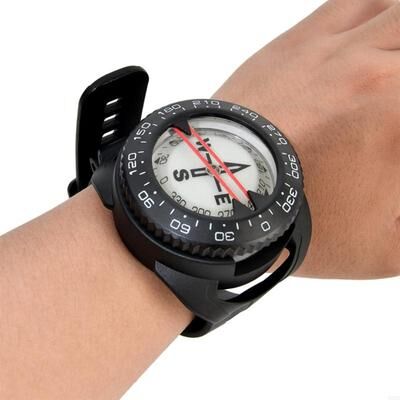
ModernMart Adventure Waterproof Compass Watch For Hiking Navigation And Outdoor Survival Adventure Waterproof Compass Watch For Hiking Navigation And Outdoor SurvivalNever lose your sense of direction, even in the wild. This compass watch is built for explorers, hikers, and outdoor enthusiasts who need reliable navigation on the go. Designed as a rugged outdoor survival watch, it combines precision direction...79,97 $*Shipping: 0,00 $Secure redirect to the provider
-
Multisell Products Hub Outdoor Clip On Compass Watch Luminous Hiking Carabiner Survival Gear Outdoor Clip On Compass Watch Luminous Hiking Carabiner Survival GearNever lose your direction when adventure calls. This clip on compass watch is designed for outdoor enthusiasts who demand reliability, convenience, and smart functionality in one compact tool. Built with durable alloy and a luminous display, it...54,97 $*Shipping: 0,00 $Secure redirect to the provider
-
Inspire Daily Merch Windproof Camping Stove Shield Outdoor BBQ & Firewood Cooking Windbreak For Camping, Hiking, And BBQ Gear Windproof Camping Stove Shield Outdoor BBQ & Firewood Cooking Windbreak For Camping, Hiking, And BBQ GearPrepare for your outdoor adventure with our Windproof Camping Stove Shield. Designed to protect your fire from the elements, this lightweight, durable windscreen ensures consistent heat, making it an essential piece of camping gear. Perfect for BBQ...64,97 $*Shipping: 0,00 $Secure redirect to the provider
-
Multisell Products Hub Tactical Wrist Compass Watch For Hiking, Survival Navigation Gear Tactical Wrist Compass Watch For Hiking, Survival Navigation GearCrafted for those who refuse to get lost, this wrist compass keeps your direction clear when it matters most. Designed for hikers, campers, and outdoor explorers, it delivers reliable navigation without the bulk of traditional gear. The secure strap...59,97 $*Shipping: 0,00 $Secure redirect to the provider


-
What are the object pronouns me, te, nous, and vous?
The object pronouns me, te, nous, and vous are used to replace people or things that are the object of the verb in a sentence. "Me" is used for the first person singular (I), "te" is used for the second person singular (you), "nous" is used for the first person plural (we), and "vous" is used for the second person plural (you) or as a formal singular form. These object pronouns come before the verb in a sentence and help avoid repetition of nouns. **
-
Search for exercises on the French pronouns nous and vous.
You can find exercises on the French pronouns nous and vous by searching online on language learning websites, such as Duolingo, Babbel, or FluentU. These platforms offer interactive exercises, quizzes, and practice activities to help you master the usage of these pronouns. Additionally, you can also look for worksheets or textbooks specifically focused on French grammar that include exercises on pronouns. Practicing regularly with these exercises will help you improve your understanding and usage of nous and vous in French. **
-
What is the difference between on and nous in French?
In French, "on" is a more informal and general pronoun that can be used to mean "we" or "one" in English. It is often used in spoken language and is less specific than "nous." "Nous" is the more formal and specific pronoun for "we" in French and is used in more formal or written contexts. While "nous" specifically refers to a group of people, "on" can be used more broadly to refer to people in general. **
-
Why is there an e in the conjugation of nous mangeons in French?
The letter "e" is added to the conjugation of "nous mangeons" in French to maintain the pronunciation of the verb stem "mange-". Without the "e", the pronunciation would be "nous mangons", which would alter the sound of the verb stem. The addition of the "e" helps to keep the verb's pronunciation consistent with the infinitive form "manger". **

What exercises are there for the object pronouns me, te, vous, nous, le, la, les?
There are various exercises for practicing object pronouns such as me, te, vous, nous, le, la, and les. Some common exercises include filling in the blanks with the appropriate object pronoun, rewriting sentences using object pronouns, and creating new sentences using object pronouns. Additionally, practicing with dialogues and role-playing scenarios can help reinforce the use of object pronouns in context. Finally, using flashcards or online quizzes can also be effective for practicing and memorizing object pronouns. **
Why is it "et puis on mange" when we want to say "and then we eat" and not "et puis nous mangeons"?
In French, the phrase "et puis on mange" is used to say "and then we eat" because the pronoun "on" is commonly used to refer to "we" in a general or unspecified way. It is a more casual and informal way of expressing the action of eating without specifying the subject. On the other hand, "et puis nous mangeons" would be a more formal and specific way of saying "and then we eat," using the pronoun "nous" to explicitly refer to "we" as the subject of the action. **
Top-Angebote
Products related to Nous:
-
The Handy Homestead Survival Wrist Compass Watch For Outdoor Adventure & Hiking Survival Wrist Compass Watch For Outdoor Adventure & HikingNever lose your way on your adventures again. The wrist compass watch combines a reliable compass with a durable, lightweight design, perfect for explorers, hikers, and outdoor enthusiasts. Built for precision and convenience, it keeps you oriented...39,97 $*Shipping: 0,00 $Secure redirect to the provider
-
Uplifted Trends Premium Wrist Compass Survival Watch For Outdoor Adventure & Hiking Premium Wrist Compass Survival Watch For Outdoor Adventure & HikingNever lose your way again with the wrist compass survival watch built for adventurers and explorers. Designed for hikers, campers, and outdoor enthusiasts, this durable survival watch keeps you on track no matter where the journey takes you. Its...39,97 $*Shipping: 0,00 $Secure redirect to the provider
-
ModernMart Adventure Waterproof Compass Watch For Hiking Navigation And Outdoor Survival Adventure Waterproof Compass Watch For Hiking Navigation And Outdoor SurvivalNever lose your sense of direction, even in the wild. This compass watch is built for explorers, hikers, and outdoor enthusiasts who need reliable navigation on the go. Designed as a rugged outdoor survival watch, it combines precision direction...79,97 $*Shipping: 0,00 $Secure redirect to the provider
-
Multisell Products Hub Outdoor Clip On Compass Watch Luminous Hiking Carabiner Survival Gear Outdoor Clip On Compass Watch Luminous Hiking Carabiner Survival GearNever lose your direction when adventure calls. This clip on compass watch is designed for outdoor enthusiasts who demand reliability, convenience, and smart functionality in one compact tool. Built with durable alloy and a luminous display, it...54,97 $*Shipping: 0,00 $Secure redirect to the provider
-
When do I use "mets" and "nous/vous"?
"Mets" is used when referring to the verb "to put" or "to place" in the imperative form for the pronoun "tu" (you singular). On the other hand, "nous" is used when referring to "we" and "vous" is used when referring to "you" in the plural form. "Nous" is used when talking about actions that involve yourself and others, while "vous" is used when addressing a group of people or showing respect to someone. **
-
Is "mes parents" in French "vous" or "nous"?
"Mes parents" in French is "nous." The word "nous" means "we" or "us" in English, and it is used to refer to oneself and others. So, when saying "mes parents" in French, you would use "nous" to mean "we" or "us." **
-
What are the object pronouns me, te, nous, and vous?
The object pronouns me, te, nous, and vous are used to replace people or things that are the object of the verb in a sentence. "Me" is used for the first person singular (I), "te" is used for the second person singular (you), "nous" is used for the first person plural (we), and "vous" is used for the second person plural (you) or as a formal singular form. These object pronouns come before the verb in a sentence and help avoid repetition of nouns. **
-
Search for exercises on the French pronouns nous and vous.
You can find exercises on the French pronouns nous and vous by searching online on language learning websites, such as Duolingo, Babbel, or FluentU. These platforms offer interactive exercises, quizzes, and practice activities to help you master the usage of these pronouns. Additionally, you can also look for worksheets or textbooks specifically focused on French grammar that include exercises on pronouns. Practicing regularly with these exercises will help you improve your understanding and usage of nous and vous in French. **
Similar search terms for Nous
-
Inspire Daily Merch Windproof Camping Stove Shield Outdoor BBQ & Firewood Cooking Windbreak For Camping, Hiking, And BBQ Gear Windproof Camping Stove Shield Outdoor BBQ & Firewood Cooking Windbreak For Camping, Hiking, And BBQ GearPrepare for your outdoor adventure with our Windproof Camping Stove Shield. Designed to protect your fire from the elements, this lightweight, durable windscreen ensures consistent heat, making it an essential piece of camping gear. Perfect for BBQ...64,97 $*Shipping: 0,00 $Secure redirect to the provider
-
Multisell Products Hub Tactical Wrist Compass Watch For Hiking, Survival Navigation Gear Tactical Wrist Compass Watch For Hiking, Survival Navigation GearCrafted for those who refuse to get lost, this wrist compass keeps your direction clear when it matters most. Designed for hikers, campers, and outdoor explorers, it delivers reliable navigation without the bulk of traditional gear. The secure strap...59,97 $*Shipping: 0,00 $Secure redirect to the provider
-
Multisell Products Hub Waterproof Compass Watch With Luminous Dial For Hiking Camping Survival Gear Waterproof Compass Watch With Luminous Dial For Hiking Camping Survival GearWhen youre out in the wild, confidence comes from knowing your direction at all times. This compass watch combines rugged reliability with everyday wearability, giving adventurers a simple yet powerful navigation tool right on their wrist. Designed...44,97 $*Shipping: 0,00 $Secure redirect to the provider
-
What is the difference between on and nous in French?
In French, "on" is a more informal and general pronoun that can be used to mean "we" or "one" in English. It is often used in spoken language and is less specific than "nous." "Nous" is the more formal and specific pronoun for "we" in French and is used in more formal or written contexts. While "nous" specifically refers to a group of people, "on" can be used more broadly to refer to people in general. **
-
Why is there an e in the conjugation of nous mangeons in French?
The letter "e" is added to the conjugation of "nous mangeons" in French to maintain the pronunciation of the verb stem "mange-". Without the "e", the pronunciation would be "nous mangons", which would alter the sound of the verb stem. The addition of the "e" helps to keep the verb's pronunciation consistent with the infinitive form "manger". **
-
What exercises are there for the object pronouns me, te, vous, nous, le, la, les?
There are various exercises for practicing object pronouns such as me, te, vous, nous, le, la, and les. Some common exercises include filling in the blanks with the appropriate object pronoun, rewriting sentences using object pronouns, and creating new sentences using object pronouns. Additionally, practicing with dialogues and role-playing scenarios can help reinforce the use of object pronouns in context. Finally, using flashcards or online quizzes can also be effective for practicing and memorizing object pronouns. **
-
Why is it "et puis on mange" when we want to say "and then we eat" and not "et puis nous mangeons"?
In French, the phrase "et puis on mange" is used to say "and then we eat" because the pronoun "on" is commonly used to refer to "we" in a general or unspecified way. It is a more casual and informal way of expressing the action of eating without specifying the subject. On the other hand, "et puis nous mangeons" would be a more formal and specific way of saying "and then we eat," using the pronoun "nous" to explicitly refer to "we" as the subject of the action. **
* All prices are inclusive of VAT and, if applicable, plus shipping costs. The offer information is based on the details provided by the respective shop and is updated through automated processes. Real-time updates do not occur, so deviations can occur in individual cases. ** Note: Parts of this content were created by AI.